

Uneven-looking skin tone after 40: choosing an evening serum with realistic expectations

When your complexion starts to look less even than it did a few years ago, it is understandable to wonder whether an evening serum belongs in your routine. The useful question is not which bottle promises the fastest change. It is whether a step feels comfortable enough to keep.
This guide takes a practical view. It looks at texture, comfort and consistency rather than a dramatic overnight promise. A cosmetic evening step can support a softer, smoother-looking finish, but it is not a correction for every change you may notice.
What uneven-looking tone can mean after 40

Uneven-looking tone is often an impression rather than a single, precise condition. Skin can feel drier in some areas, reflect light differently and look more matte or deeper in colour across the forehead, cheeks or above the lip.
That does not automatically mean something needs urgent attention. Looking at the issue as a matter of appearance and comfort makes it easier to choose care without chasing an impossible uniform finish.
Why a quick fix is a poor benchmark

The mirror can look different from one evening to the next, especially after a long day, dry air or time outdoors. A product that feels pleasant straight away may give skin a temporarily more cushioned appearance; that is not the same as a fixed result.
A fairer test is a few calm weeks with a routine you can repeat. The question worth keeping is simple: does this step still feel good, easy and appropriate in the rhythm of your evenings?
Texture, comfort and consistency: three useful filters

Start with texture. Some people enjoy a light, fast-absorbing formula, while others prefer the slower, richer feel of an oil texture in the evening. Neither is universally better; preference matters.
Then notice comfort over time. A routine should not leave skin feeling persistently tight or unpleasant. Finally, favour consistency. One uncomplicated step used regularly is usually more useful than a crowded routine that is abandoned after a fortnight.
A simple evening order without extra layers

It is easy to keep adding layers in the hope that more products will create a better outcome. For many people after 40, a shorter order is easier to understand and easier to maintain: gentle cleansing, then one considered serum or richer finishing texture if that suits you.
Lighter water-based textures usually come before richer oil-based ones. Give the routine time before changing it again, so that comfort and preference—not noise from several new products—guide your decision.
When a richer evening texture may suit your routine

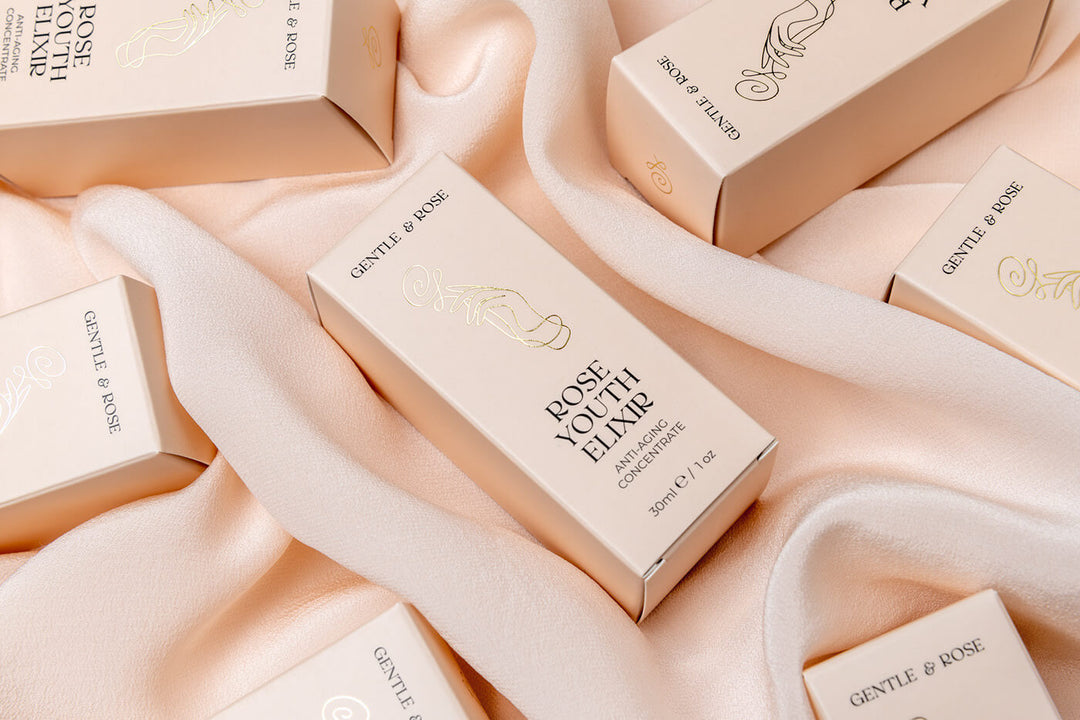
If you enjoy a nourishing oil texture at night, Rose Youth Elixir is one cosmetic option to consider. It is an oil-based facial elixir with organic rose oil, bakuchiol and hyaluronic acid, intended for clean skin in the evening with gentle upward movements.
Think of it as a comfort-led finishing step, not a shortcut for changing your complexion. It can make sense when a richer feel fits your routine; if oil textures feel heavy or your current routine already feels complete, a simpler approach may be the better choice.
What to notice—and when cosmetics are not the answer

A pleasant cosmetic routine has limits. Pay attention to how your skin feels over time and do not feel obliged to push through persistent discomfort just because a formula sounded promising.
If a change is persistent, painful, itchy, inflamed or simply unusual for you, an evening serum is not the next step. Seek appropriate professional advice instead. Cosmetic care does not replace medical advice.
Questions people ask
Can an evening serum make my tone look more even?
A cosmetic serum may support a smoother, more rested-looking finish and a comfortable feel. It is more realistic to see it as a regular care step than as a correction for tone.
How long should I wait before judging a new routine?
There is no fixed timetable. A few calm weeks are more informative than one evening, especially when you introduce only one new step at a time.
Do I still need SPF if I use a serum at night?
Yes. Daytime SPF is a separate habit; an evening product does not take its place.
Is an oil texture right for everyone?
Not necessarily. Choose the texture that feels comfortable and realistic for you to use consistently.
A calm evening option
Explore Rose Youth Elixir if a richer, oil-based evening texture feels right for your routine.
View Rose Youth ElixirRead next
These related guides can help you compare routines, textures and expectations.


Einen Kommentar hinterlassen