
Glycerin in face cream: choosing a hydrating formula after 40

Ingredients made simple · Skincare after 40
You spot Glycerin on a cream’s ingredient list and wonder whether it is a good sign. Yet two creams containing it can feel quite different: one leaves your cheeks soft, the other feels sticky. That difference says more about the complete formula than about whether glycerin is simply “good” or “bad” for your skin.
After 40, the useful question is not whether a cream contains the most talked-about ingredient. It is whether the finished product feels comfortable through an ordinary day, including the move between cool outdoor air and indoor heating. The label is a starting point, not the whole decision.
What glycerin does in a face cream

Glycerin is the INCI name for a moisture-binding ingredient. Its cosmetic role is to support hydration in the outermost layer, helping skin feel softer and dryness look less noticeable. It is not a way to reshape the face.
This is a different role from that of softening oils or ingredients that help limit water evaporation. These functions can work together in a cream. A watery texture and a richer emulsion are therefore not interchangeable just because both contain glycerin. If cleansing leaves your face tight, consider hot water, rubbing and excessive washing as well as the next product.
What the INCI list can—and cannot—tell you

Start with the full Ingredients/INCI list on your actual packaging. A description highlighting a few ingredients does not replace it. Seeing Glycerin tells you it is included, not its precise concentration or how it will feel on your face.
Ingredients are generally listed in descending order, with exceptions for those used in small amounts. Do not turn a position into an invented percentage or assume that a higher position automatically means a better cream. Compare the exact current product, consider complementary emollients and remember your own sensitivities. An appealing scent does not establish tolerance.
Choose a complete formula, not a single ingredient

If a light cream keeps your skin comfortable until the next cleanse, there is no reason to replace it just because another formula sounds richer. If your cheeks remain dry and tight, consider a more emollient texture rather than continually adding more layers.
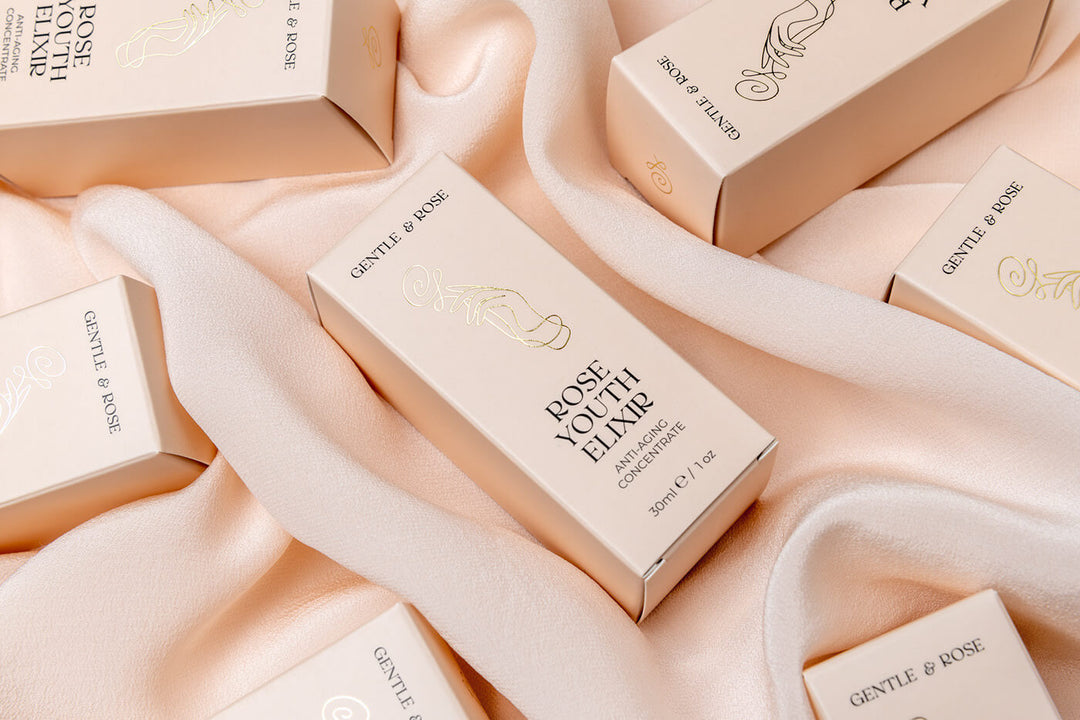
Gentle&Rose Prebiotic Moisturising Cream is an option to explore for a moisturising step with prebiotics, rosehip oil and rose oil, as described in the source product information. We are not presenting it as a confirmed glycerin cream: that description does not supply the full current INCI. Check your own packaging for Glycerin.
Choose the overall profile without attributing its effect to an unconfirmed ingredient. If rose oil or fragrance ingredients do not suit you, do not overlook that because the label says “moisturising”.
Assess comfort without adding unnecessary layers

Try a cream when you are not also changing your cleanser, serum and makeup. Apply a small amount to clean skin according to its instructions. Your face need not remain wet or coated in a thick layer. Pat dry gently, spread a thin layer and pause before makeup or the next step.
Stickiness is not a reliable measure of effectiveness. It can reflect quantity, the complete formula and products underneath. Try less first; you do not have to tolerate an unpleasant finish to have a useful moisturising routine. Keep daytime sun protection separate: moisturiser does not replace sunscreen.
Do not mix pure glycerin into a finished cream. That changes the formula’s balance without giving you confidence about tolerance or storage. Choose an appropriately formulated finished product instead.
When to keep your cream—and when to stop

Soft, comfortable skin and a cream that fits easily into your routine are useful signs. A product need not create a strong sensation to be helpful; a temporary smooth coating does not prove a lasting change in wrinkles.
Stop using a product if burning, itching, redness or increasing discomfort develops. Persistent flaking or irritation deserves individual advice from a dermatologist, not simply another layer. The presence of glycerin on a label cannot identify the cause.
Frequently asked questions
Does glycerin make skin oily?
Glycerin is not an oil. A greasy finish depends on the whole formula and the amount applied, not just the presence of Glycerin.
Does a higher INCI position mean a better cream?
Not necessarily. Ingredient order does not reveal an exact concentration or predict personal tolerance. Assess the finished formula.
Do I need another serum?
Not simply because your cream contains glycerin. If a short routine feels comfortable, another step is optional. Change one thing at a time when there is a clear reason.
Editorial adaptation of the Bulgarian source published on 27 October 2026. Its product description did not provide a complete current INCI; no glycerin content or concentration is asserted for this particular cream. Check your packaging. Editorial images are illustrations, not evidence of results. Cosmetic guidance does not replace individual dermatological advice.


Laisser un commentaire