
Herbs linked to estrogen after 40: what is realistic and when to be careful

Searches like “estrogen herbs” often come from a very practical question: what can I do for myself after 40 when sleep, energy, mood or body comfort feel less predictable? The honest answer is calmer than most internet lists. Herbs and foods can be part of a daily context, but they are not a switch for changing estrogen on your own.
This guide keeps the subject realistic. We will look at what people usually mean by herbs linked to estrogen, why “raise” or “lower” promises are too simple, and how to decide whether a supplement deserves a place in a broader routine built around food, sleep, movement and professional advice when needed.
Short answer
- Herbs do not contain ready-made human estrogen.
- It is more accurate to talk about plants and foods discussed for phytoestrogens or traditional use.
- Searches such as estrogen-lowering herbs or estrogen-boosting foods are too simplified for real life.
- If you have a diagnosed condition, use prescribed medication or feel strong discomfort, discuss herbs and supplements with a qualified professional.
1. What “estrogen herbs” really means
In everyday language, several different topics get mixed together: herbs, phytoestrogens, foods such as flaxseed or soy, and a general wish for better hormonal balance after 40. A plant is not a hormonal instruction to the body. When phytoestrogens are mentioned, the topic is plant compounds and dietary context, not a direct addition of estrogen.
Names that often appear in online lists include flaxseed, sesame, soy foods, legumes, red clover and traditional herbal teas. That does not mean one cup of tea or one capsule will create a predictable result. It is more useful to look at the whole pattern: enough protein, fibre, regular meals, movement, sleep and fewer extremes. For the food angle, read also foods linked to estrogen after 40.

2. Why “raise” or “lower estrogen” promises are too simple
Phrases such as “herbs to lower estrogen” or “foods to raise estrogen” sound precise, but they are too strong for a home checklist. Estrogen is not a single button that simply moves up or down. Age, cycle stage, stress, sleep, medication, thyroid context, liver metabolism and many other factors shape the picture.
This does not mean you should be afraid of herbs. It means they belong in the right place: as part of a culture of care, not as a self-directed intervention. If something online sounds as if one plant can solve a complex body change, slow down and look for more measured information. For the supplement frame, read also supplements for menopause and perimenopause.

3. A better frame: routine, not one powerful herb
If the subject interests you, start with something sturdier than searching for the strongest herb. Write down how you eat, how much you sleep, when you drink coffee, how often you move and which moments of the day feel most draining. Then add small repeatable steps: more fibre from legumes or seeds, a clearer breakfast, an evening tea that feels pleasant, a short walk and a more regular bedtime.
That turns curiosity about herbs into real care instead of a new list of worries. A small routine is easier to keep than a perfect plan. One week of steadier breakfast, less late caffeine and two extra walks can tell you more about your rhythm than constantly changing the next capsule or tea.

4. How to observe your response without expecting a miracle
Give yourself 7 to 14 days to observe habits, not to draw big conclusions about hormones. Better questions are: do I sleep a little more steadily, do I eat more regularly, do afternoons feel less chaotic, and do particular foods or herbal drinks feel comfortable for me? If something irritates your stomach or makes you watch your body anxiously, it is not a good step for you even if it is popular.
Use a simple notebook rather than dramatic before-and-after thinking. Note sleep, energy, digestion, stress level and mood in plain words. This makes the conversation with a professional easier if you need one, and it keeps wellness decisions grounded in your real life.

5. Where Hormone Balance Plus fits
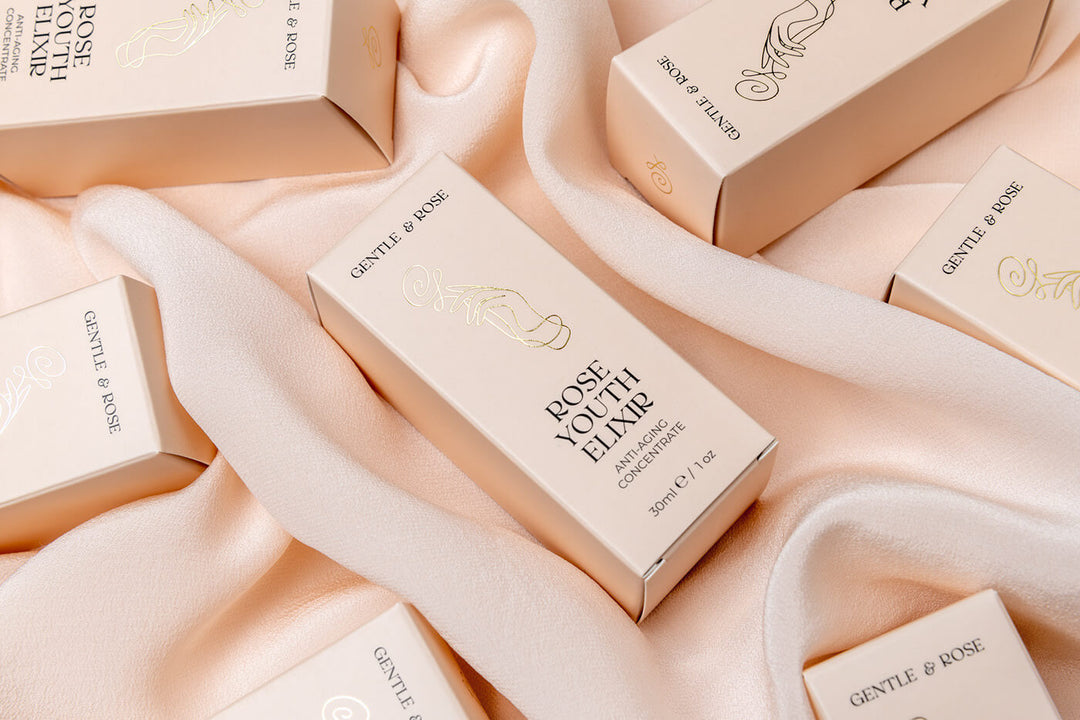
Once the basics are clearer, Hormone Balance Plus can make sense as the G&R supplement step for women after 40 who want a more organised daily ritual. It should not replace food, sleep or professional guidance. Think of it as one calm part of the routine: same time each day, realistic expectations, and attention to how the whole day feels.
The best use case is not “I want one product to change everything”. It is “I am building a steadier rhythm and I want a supplement that fits neatly into it.” That mindset protects you from overpromising and makes consistency easier.


Hormone Balance Plus
A calm daily supplement step for women after 40 who want to support a more organised routine around energy, sleep, mood and everyday comfort without turning one herb into a big promise.
Frequently asked questions
Do herbs contain real estrogen?
No. In normal wellness conversations, people usually mean plants or foods discussed for phytoestrogens, not ready-made human estrogen.
Can I use herbs to change estrogen on my own?
Do not reduce a complex body question to one list. If you have strong concerns, unusual changes or prescribed medication, ask a qualified professional first.
Where do hormonal-balance supplements fit?
They fit best as a consistent support step inside a routine that already includes food, sleep, movement and realistic expectations.

Laisser un commentaire